Revenue & Collection
What happens between delivery, final pricing and payment, and which steps remain unfinished?
A sale can pass through delivery, acceptance, price approval and payment on different dates. Revenue records one part of that process. Receivables and contract assets show what still has to happen before the company receives cash.
These articles follow the contractual steps behind the numbers. They examine when the company has earned revenue, whether the price is settled, and how balances move into collection or impairment. Longer payment cycles may have a commercial explanation; the terms and subsequent receipts help test it.
On this topic
No articles in this category.
China Capital Markets
Customer sign-off and the remaining steps

The responses include revenue tied to project sign-off and questions about receivables and contract assets. Acceptance, installation responsibilities and collection need consistent cutoffs.
The brief follows those contractual steps rather than assuming that a recognized sale has already produced cash. Later collections help test what remained unsettled.
China Capital Markets
Growth needs a path to collection
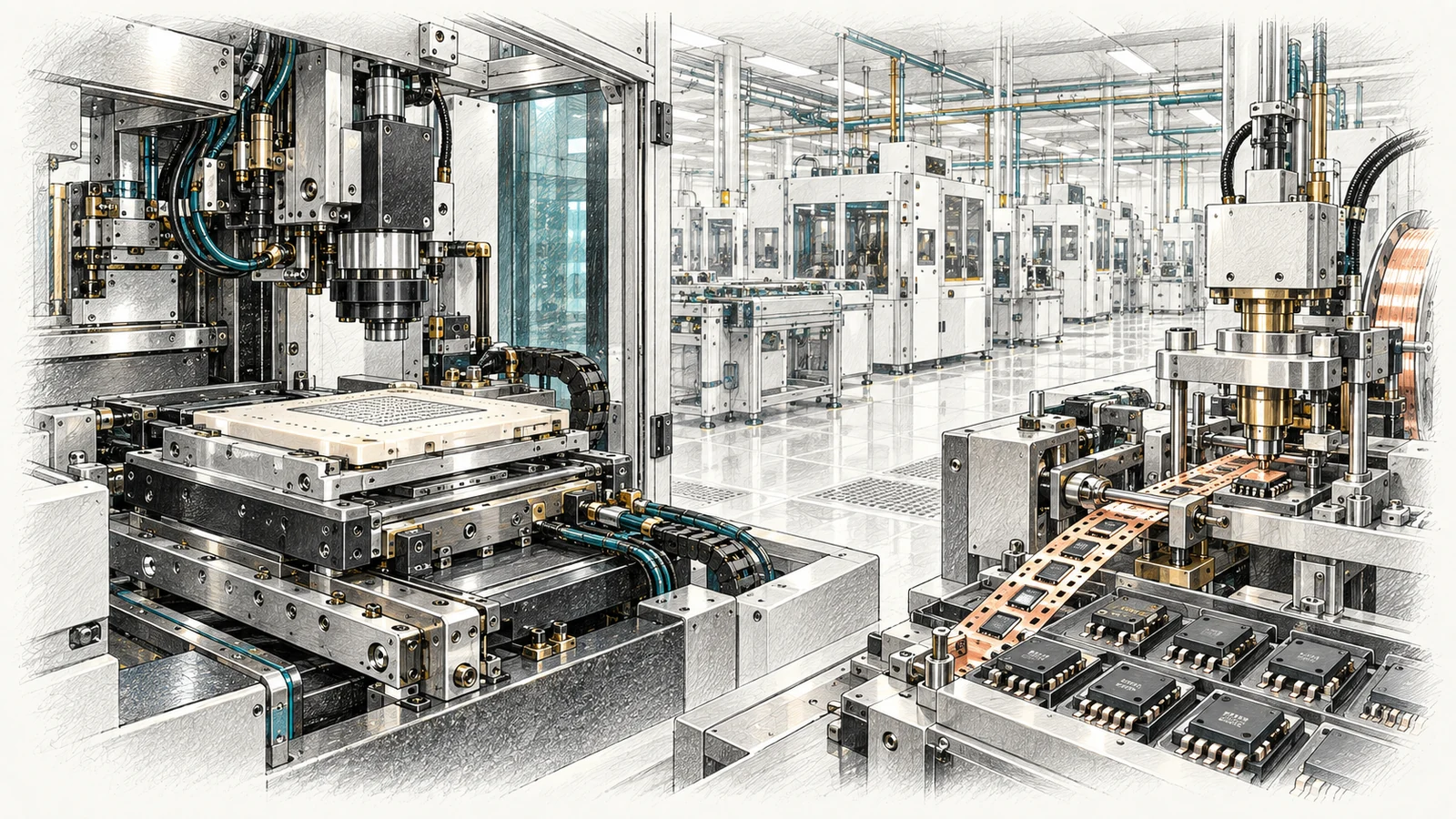
The featured chip responses include revenue recognition, customers and receivables alongside profitability and expansion. Reported growth needs to reconcile with collection and the assets used to deliver it.
The brief identifies the questions raised in the responses without treating exchange scrutiny as a finding of misconduct.
Kylinsec
Acceptance does not settle every price
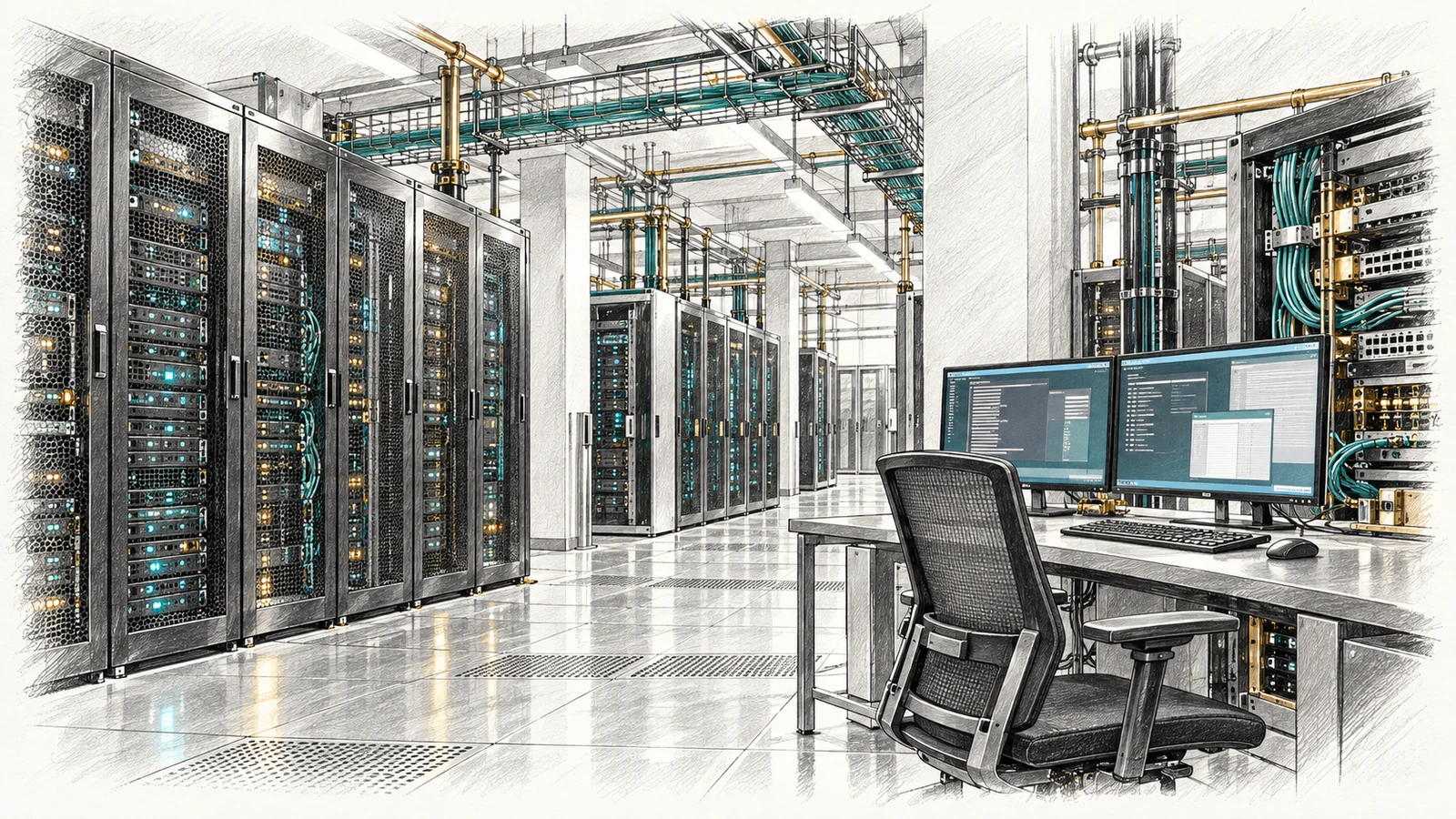
Kylinsec describes revenue recognition at provisional prices, followed by adjustments when prices are approved. Product acceptance, final pricing and collection are separate steps.
The article follows that sequence through the revenue policy and receivable notes. The filings reviewed do not quantify the sales still awaiting price approval, so the analysis keeps that gap explicit.
China Capital Markets
Orders through commercialization

Deep Robotics' response connects product demand with revenue recognition, customers and the sustainability of sales. Orders and technology claims answer different questions from completed sales.
The brief points readers toward shipment, acceptance and collection, alongside margin changes. Forecast production revenue remains an issuer estimate.
Lingnan Eco & Culture-Tourism Co., Ltd.
Older projects and outstanding balances

Contract assets and receivables remain central after the collapse in new revenue. Collections can relate to work recognized in earlier periods.
The review asks how those balances become cash and what the available evidence says about recoverability. Project activity and collections need to be read on separate timelines.
China Fortune Land Development Co., Ltd.
Contract assets awaiting conversion
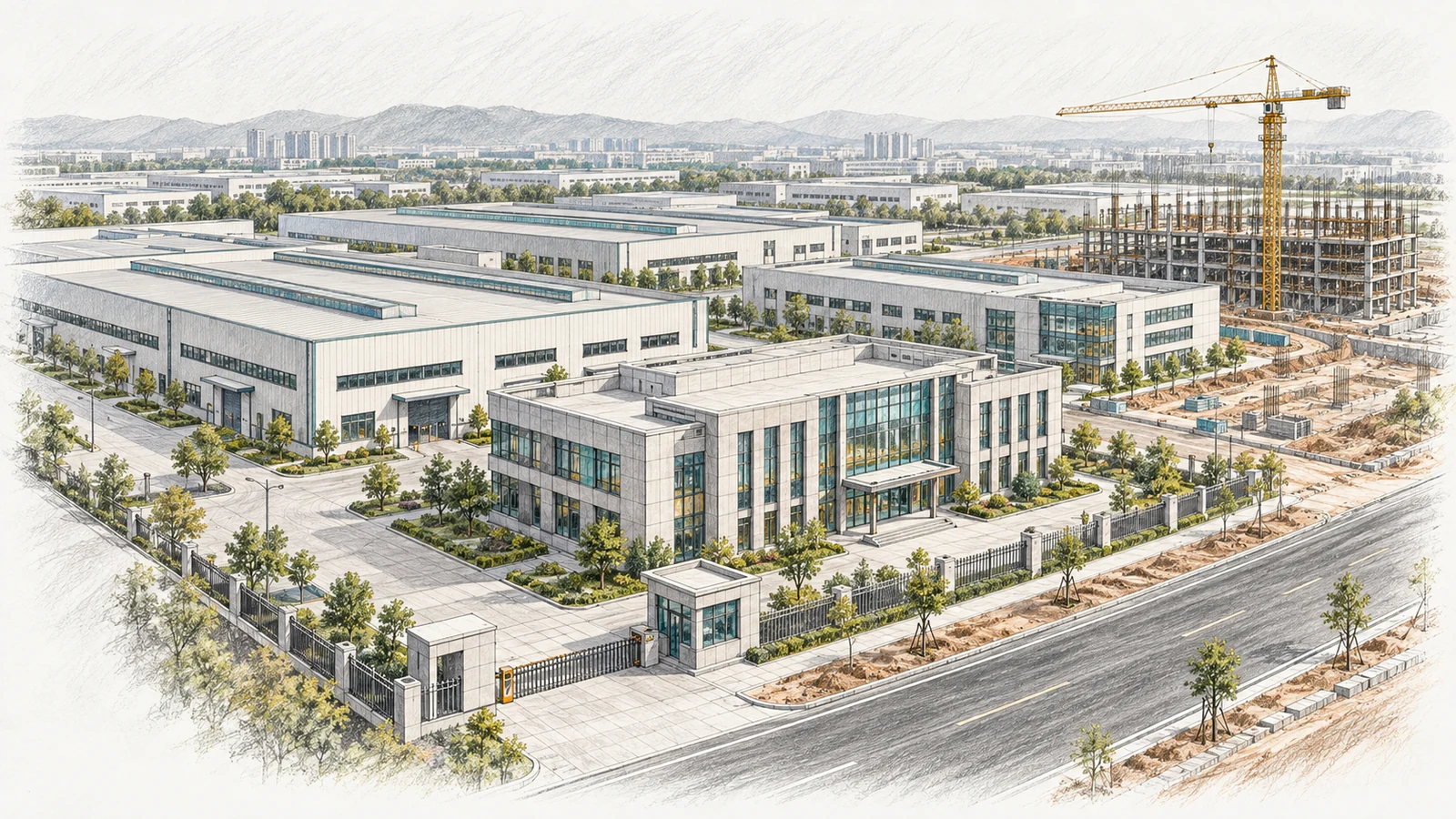
Large contract assets leave an important gap between work recognized in the accounts and cash received. Their recoverability is central to the company's unfinished workout.
Look for the contractual and collection steps that remain, alongside the evidence limits in the financial statements. The article does not treat the carrying value as a promise of near-term cash.