Liquidity & Debt
Where is the cash, how much is available, and what falls due before the business can replenish it?
The cash balance is only the starting point. Its location, restrictions and relationship to debt maturities determine how much room the company has to operate. Borrowings, leases and guarantees may also place demands on cash that a headline balance does not explain.
These articles compare available resources with obligations and the business that must replenish them. They distinguish guarantee totals from unique debt, accounting balances from contractual payments, and unrestricted cash from amounts that cannot be freely withdrawn.
On this topic
No articles in this category.
Cambricon
The procurement calendar still matters
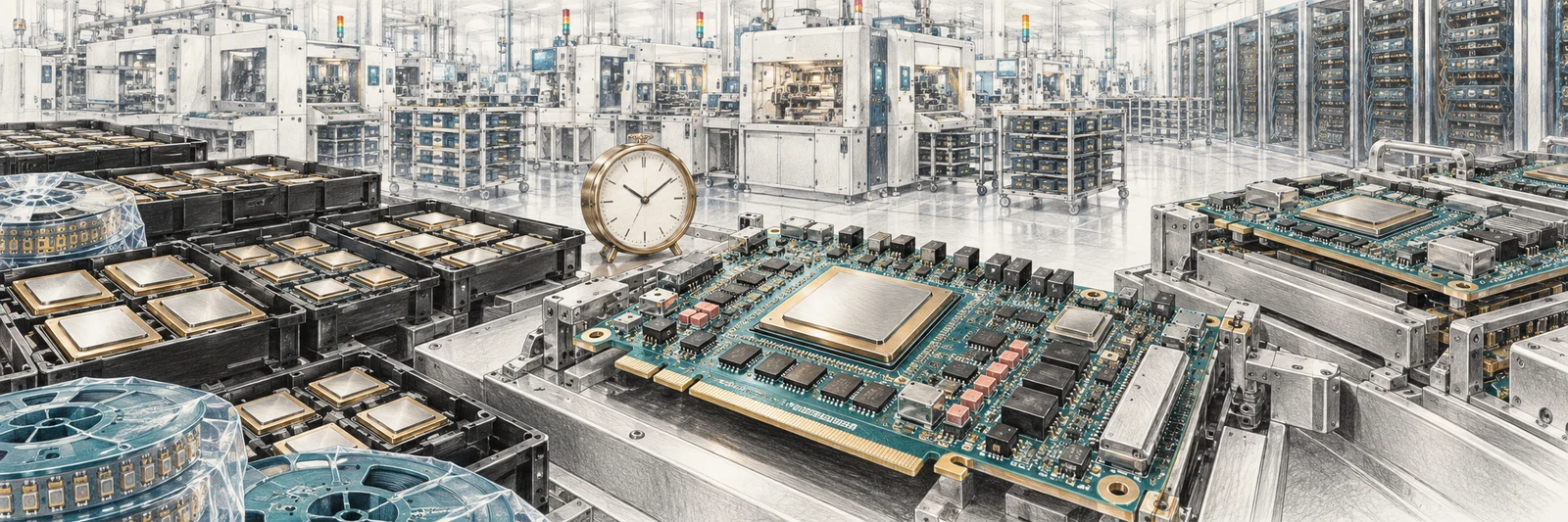
Raw materials and outsourced processing hold most of the remaining inventory value. Significant prepayments and bank acceptance bills extend that commitment beyond the inventory note, creating delivery and settlement dates that need to line up with customer receipts.
The analysis puts those obligations beside financial assets and equity funding. It distinguishes money excluded from cash equivalents from judicially frozen cash, and trade financing from evidence of overdue payment.
China Capital Markets
Fleet growth and the obligations funding it

Loong Airlines' inquiry response covers owned and leased aircraft, payables and solvency. Fleet growth needs to be read against lease liabilities and the resources available to meet them.
The brief connects those questions to maintenance, interest and short-term maturities. Revenue growth alone cannot establish that expansion leaves adequate liquidity.
East Group
Debt added without a cash receipt
East's financing-liability reconciliation records a substantial non-cash addition to long-term payables. A higher balance does not necessarily mean the same amount of new cash was borrowed.
The analysis bridges cash receipts, carrying values and contractual payments. It also includes the subsequent interim settlement, which weakens a simple story of continuing debt accumulation.
Offcn Education
Counting distinct obligations

Offcn says compound guarantees cause repeated counting in its headline total. The aggregate is therefore not a reconciled amount of unique debt.
The article separates guarantee support from principal, then compares debt, restricted assets and cash movements. Removing duplication does not by itself answer how much financial flexibility remains.
China Capital Markets
What supports project financing
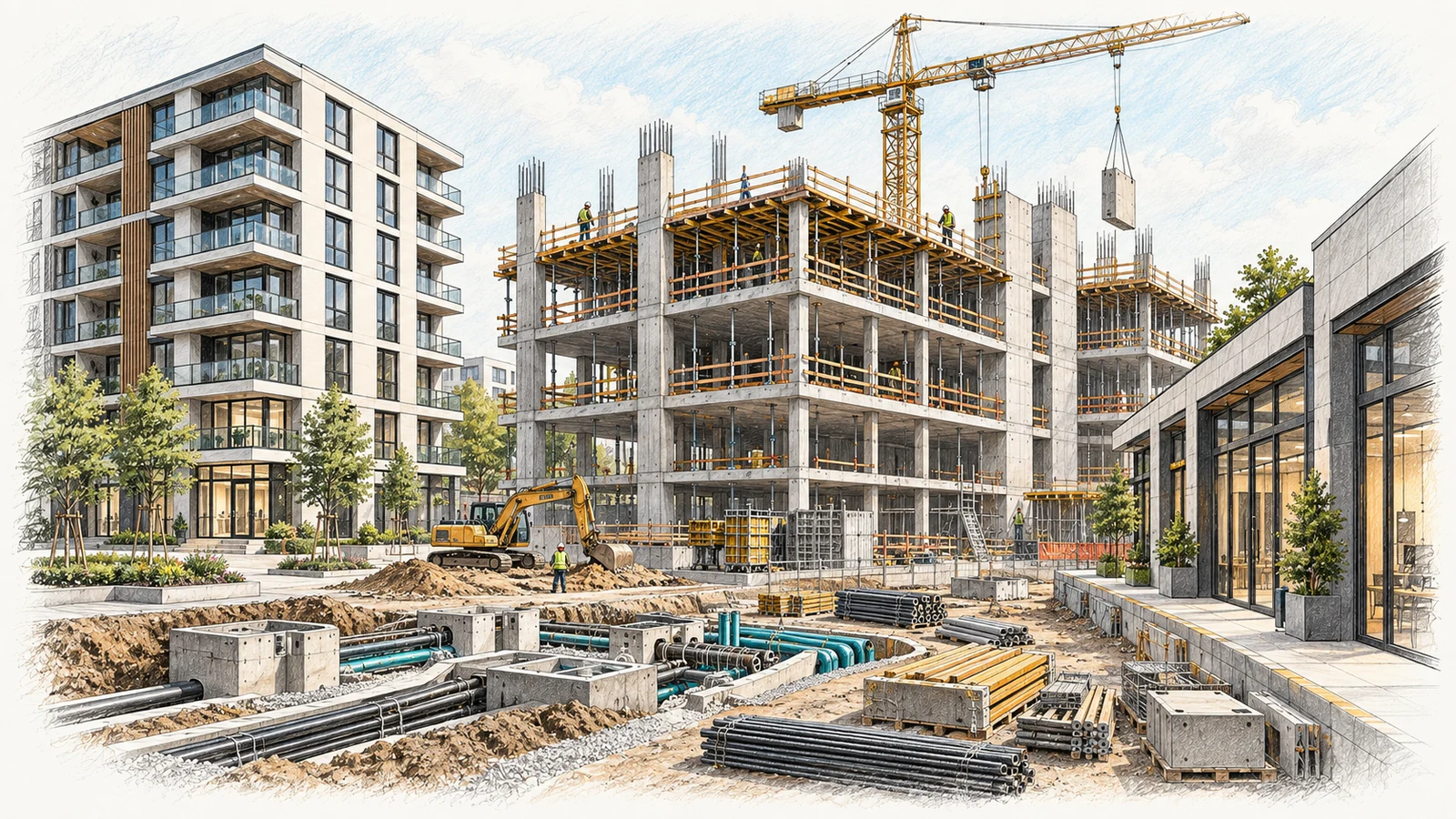
The property-financing opinion emphasizes the assets, cash flows and use of proceeds of the project being financed. The funding case depends on more than a policy headline.
The brief points to ownership, approvals and existing security interests when considering what supports the financing. The opinion does not remove those project-level constraints.
Dongxu Optoelectronic Technology Co., Ltd.
Reported cash and withdrawal access
The final regulatory record explains why reported financial strength did not translate into usable cash. Group funding and restrictions on withdrawal are central to that distinction.
The article follows the cash presentation and fund occupation described in the decisions. It keeps the earlier trading-based delisting separate from the later enforcement findings.
Lingnan Eco & Culture-Tourism Co., Ltd.
An inflow against overdue debt

Positive operating cash flow does not remove Lingnan's overdue debt or negative equity. Obligations and available resources still constrain the company's operating choices.
Read the cash inflow against losses and the debt position, with the audit limitations kept in view. The article distinguishes temporary cash preservation from restored financial flexibility.
Beijing Oriental Eco-New Energy Co., Ltd.
Funding the next acquisition
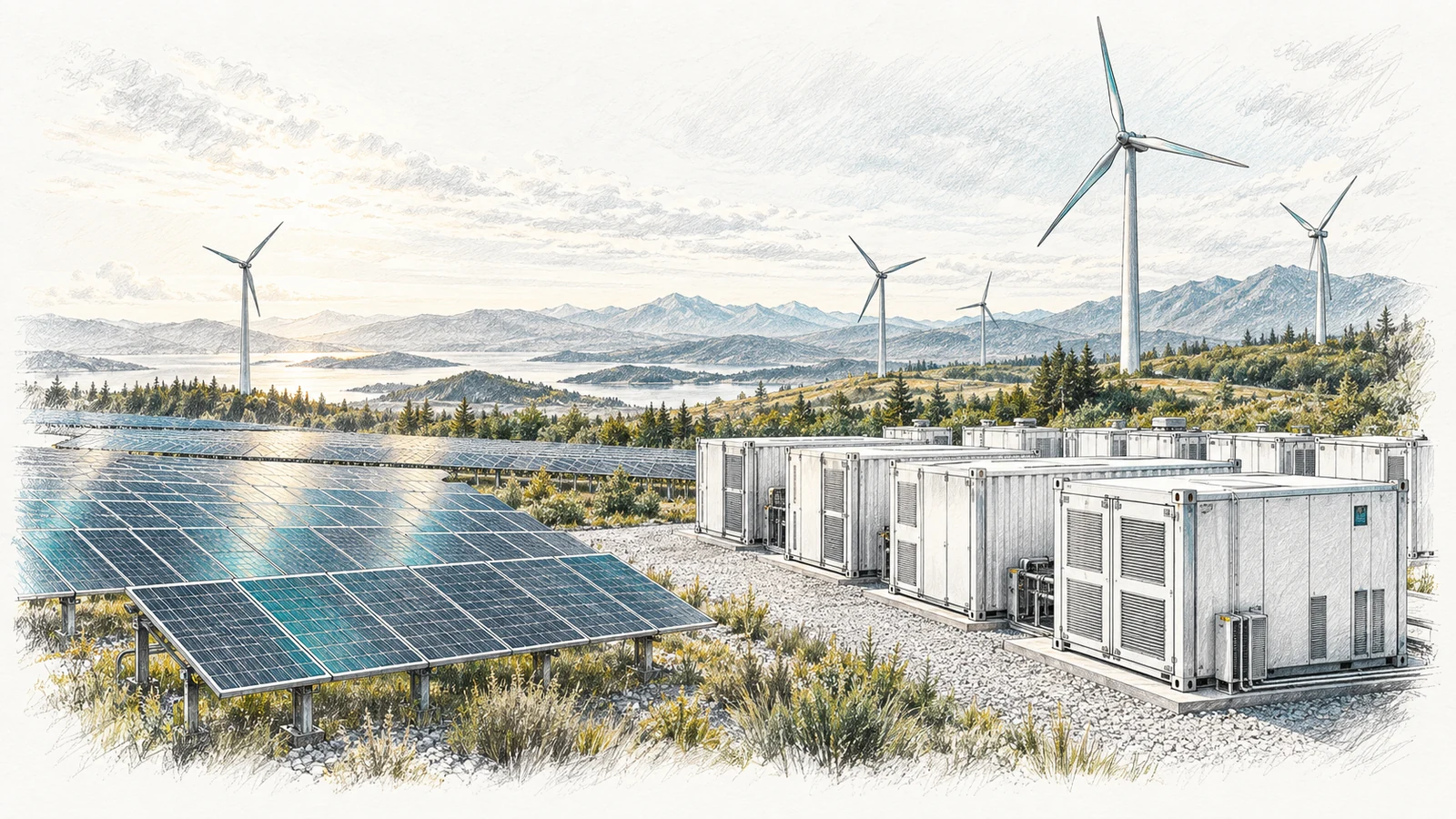
The proposed renewable-energy transaction would add leverage after restructuring. The financing terms therefore matter alongside the assets and earnings being acquired.
Look for the relationship between debt funding and expected cash generation. Restored equity does not, on its own, demonstrate that the enlarged business can meet its obligations.
China Fortune Land Development Co., Ltd.
What remains after the workout steps
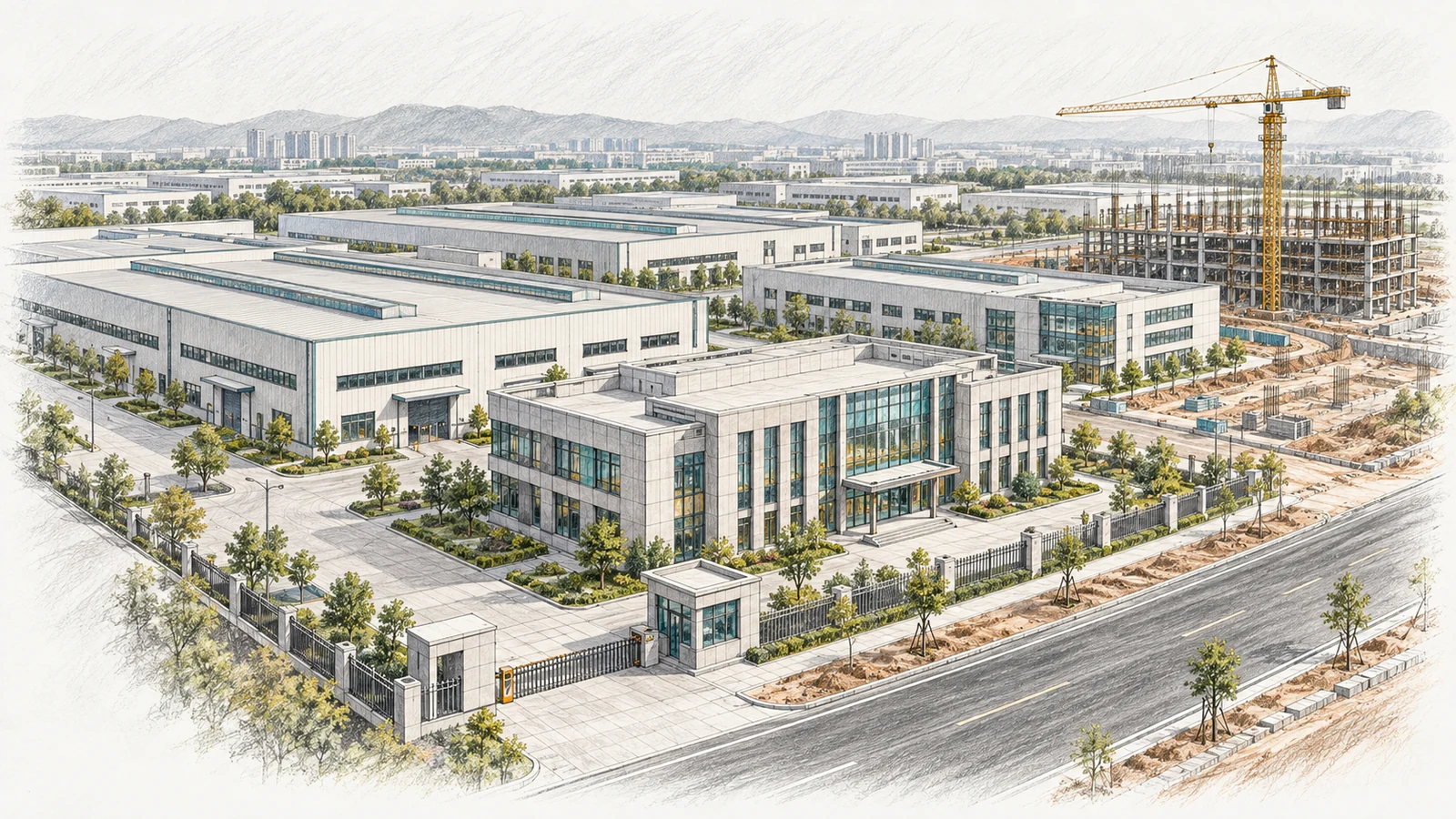
China Fortune Land's restructuring involves outstanding debts and guarantees while operating cash generation remains weak. Announced progress does not eliminate the need to identify surviving obligations.
The review connects the workout record to contract assets, liquidity and negative equity. It asks what can be collected and what must still be paid.