Cash Flow Quality
What changed in the cash flow, and how much of that change can recur?
Operating cash flow can improve for very different reasons. Customer collections, inventory reductions and movements in a finance subsidiary each tell a different story. These articles trace the source of the change and what it means for the business.
The useful comparison is between the cash-flow statement, the working-capital notes and the activities that generated the receipts. A recovery can strengthen liquidity without becoming a recurring source of cash. A non-cash debt movement can change the balance sheet without appearing among financing receipts.
On this topic
No articles in this category.
China Capital Markets
Research spending and the funding gap

Neuracle's 2025 operating cash inflow is followed by an outflow in H1 2026. Its research spending exceeds revenue in the later six-month period.
The financial table keeps the annual and half-year periods separate. Read the cash figures alongside the proposed fundraising plan and the time needed to turn a new medical product into recurring sales.
Cambricon
Customers paid; procurement absorbed the cash
Cambricon reported strong profit and higher customer receipts, while trade receivables fell. Operating cash flow was much smaller than profit because inventory, prepayments and taxes absorbed funds, with operating payables providing a partial offset.
The profit-to-cash bridge separates those demands. It also shows why an impairment expense, a change in net inventory and a payment to a supplier are different amounts, even when they relate to the same production chain.
Visionox
Expense is not the cash spent
Capitalizing development expenditure changes when costs reach reported profit. It does not, by itself, establish that the company spent less cash on development.
The article compares total investment, the expensed portion and asset movements. Read those amounts separately before drawing a cash-saving conclusion from the lower R&D expense.
China Capital Markets
Earnings against working-capital movements

Several responses in this issue connect earnings with receivables, contract assets and cash flow. Seasonal delivery and procurement can shift the timing of receipts and payments.
The brief asks for a bridge from profit through working capital to operating cash. It also keeps capital expenditure separate when testing the financing needs of expansion.
East Group
The liability bridge sits outside receipts
A non-cash financing movement can change debt without appearing in financing cash inflows. East's payable reconciliation makes that distinction visible.
Follow the cash and non-cash components separately, including current portions. The later cash reduction matters when judging what remained outstanding after the original increase.
Hepalink
How much the advance contributed
The advance improved cash resources after the scam loss, but it explains only part of the operating cash-flow picture. Inventory movements make a separate contribution.
Look for the bridge between the related-party receipt and the wider working-capital changes. The article avoids treating one unusual inflow as the explanation for all operating cash generation.
Kweichow Moutai
Cash-flow composition

Moutai's finance subsidiary accepts deposits from group members. Those receipts, together with changes in interbank placements, help explain the sharp increase in consolidated operating cash flow.
The article follows these movements through the cash-flow statement and the deposit note. It shows why the increase says less about liquor cash generation than the headline suggests, and why deposit funding brings a repayment obligation alongside the cash.
China Capital Markets
Profit and cash across the memory cycle
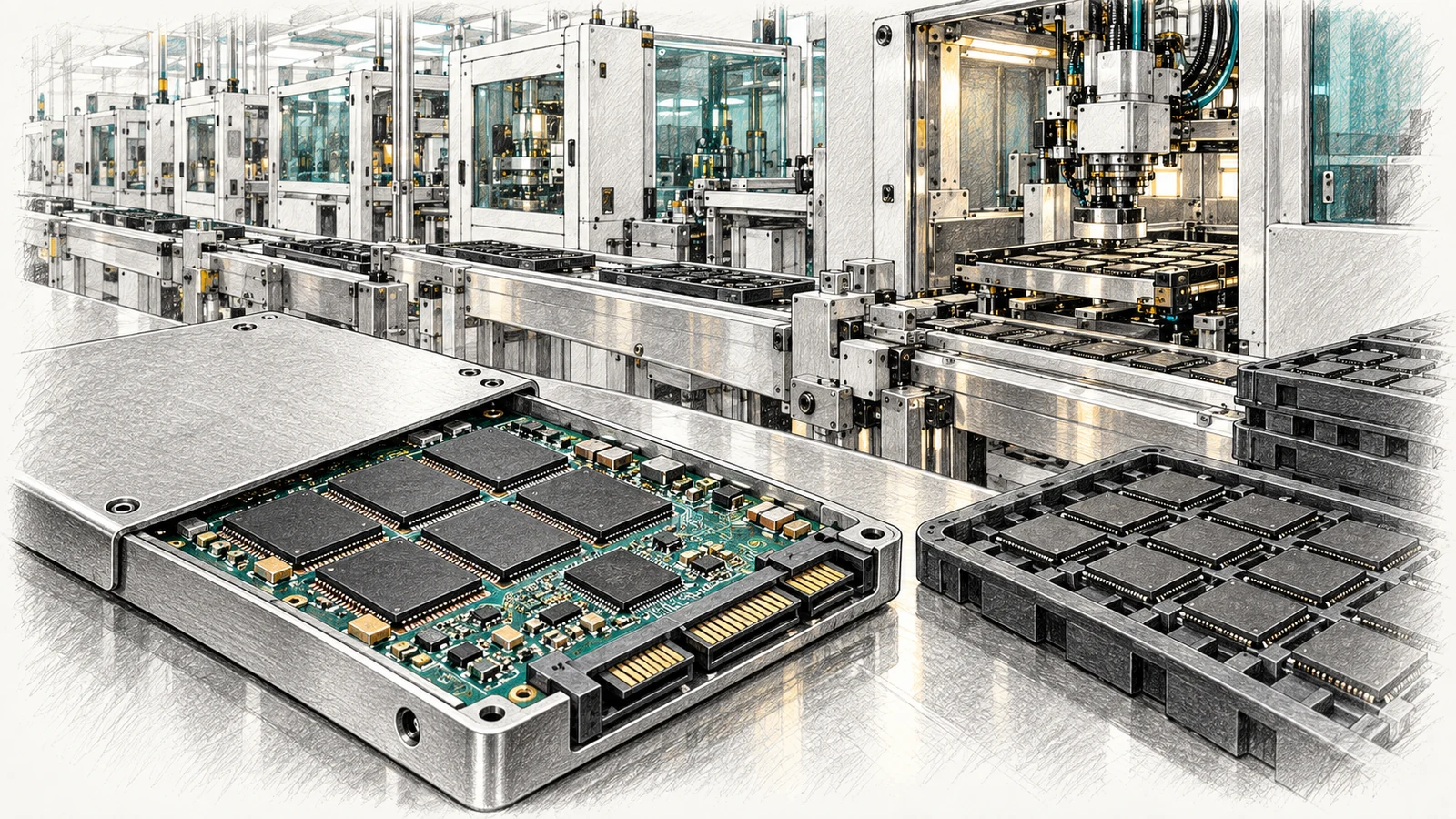
Yangtze Memory's prospectus shows a sharp earnings recovery alongside operating cash flow. The memory-price cycle and planned investment matter when interpreting those figures.
The brief compares the annual results with the later quarter and the fundraising plan. A strong quarter should not be extrapolated without testing prices, utilization and capital expenditure.
China Capital Markets
Rapid growth with continuing cash outflows
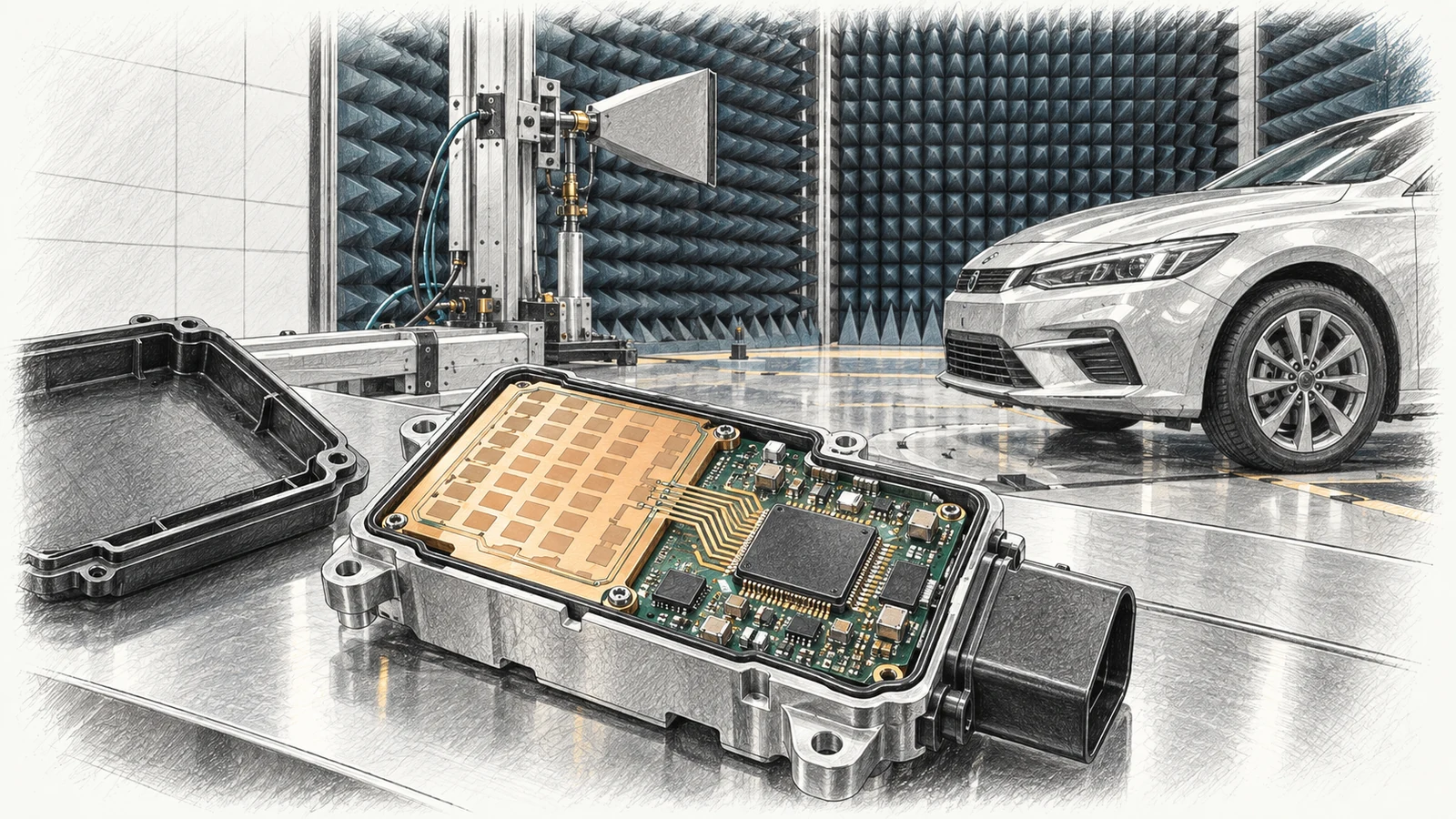
Calterah's filing pairs rapid revenue growth with losses and negative operating cash flow. The direction of sales and the company's funding needs therefore require separate attention.
The brief compares annual and quarterly cash figures and connects them to commercialization and planned spending. A narrower annual outflow should not obscure the following quarter.
Jilin Sino-Microelectronics Co., Ltd.
Recovery is in a different cash-flow category
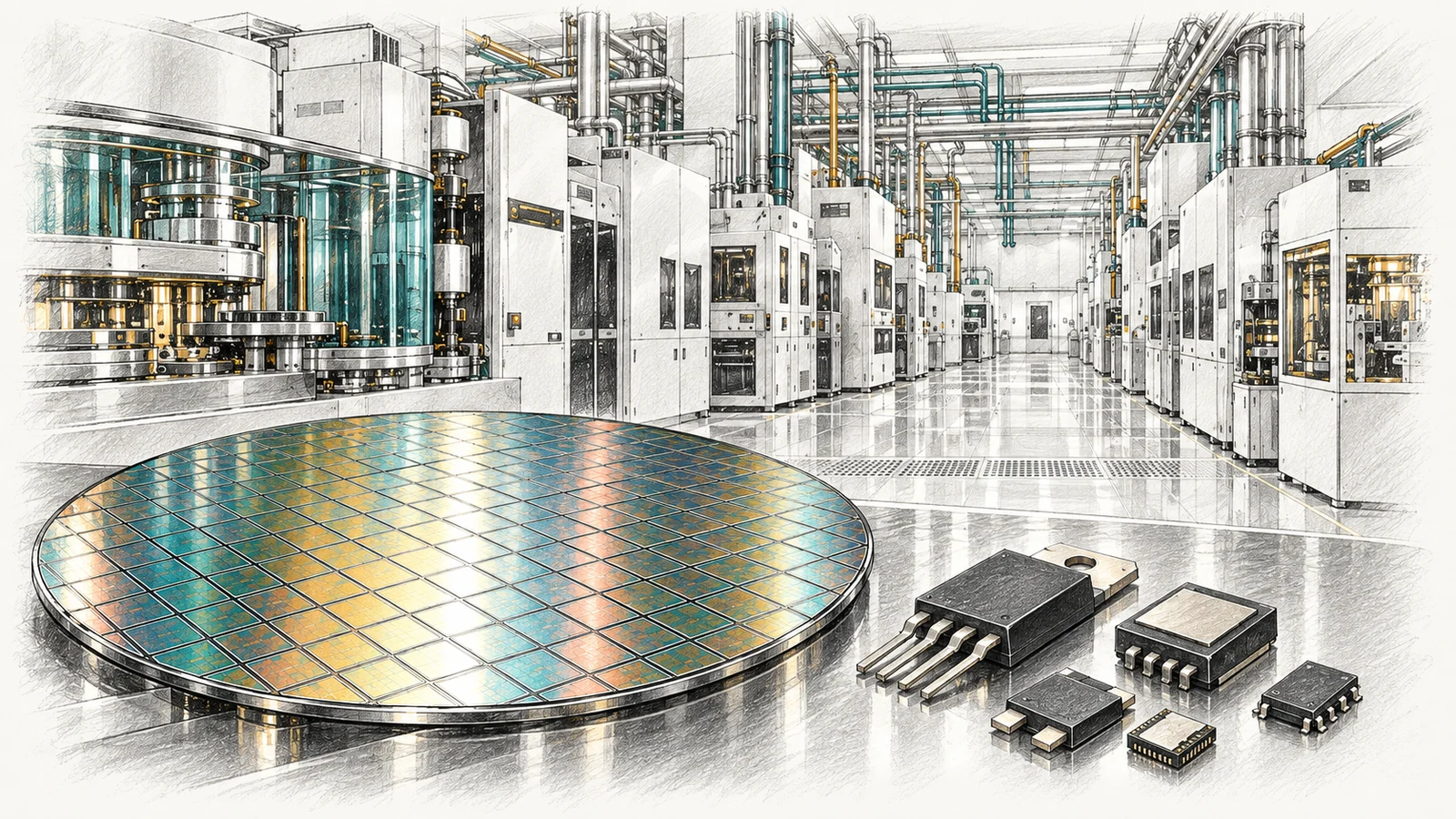
Jilin Sino-Microelectronics reported operating cash flow separately from the investing inflow associated with recovered occupied funds and interest. Both improved liquidity, but they came from different activities.
The article keeps semiconductor cash generation distinct from recovery of the historical balance. That separation matters when assessing how much of the improvement can recur.
Lingnan Eco & Culture-Tourism Co., Ltd.
Cash coming in as activity contracts

Lingnan's positive operating cash flow sits beside a severe revenue contraction. Collections on older projects and lower spending can improve cash flow even while the current business shrinks.
The article examines those possible drivers alongside receivables, contract assets and payment timing. It also explains the audit evidence limits, rather than treating the cash inflow as proof of recovery.
Zhongtai Chemical Co., Ltd.
Losses beside positive operating cash flow
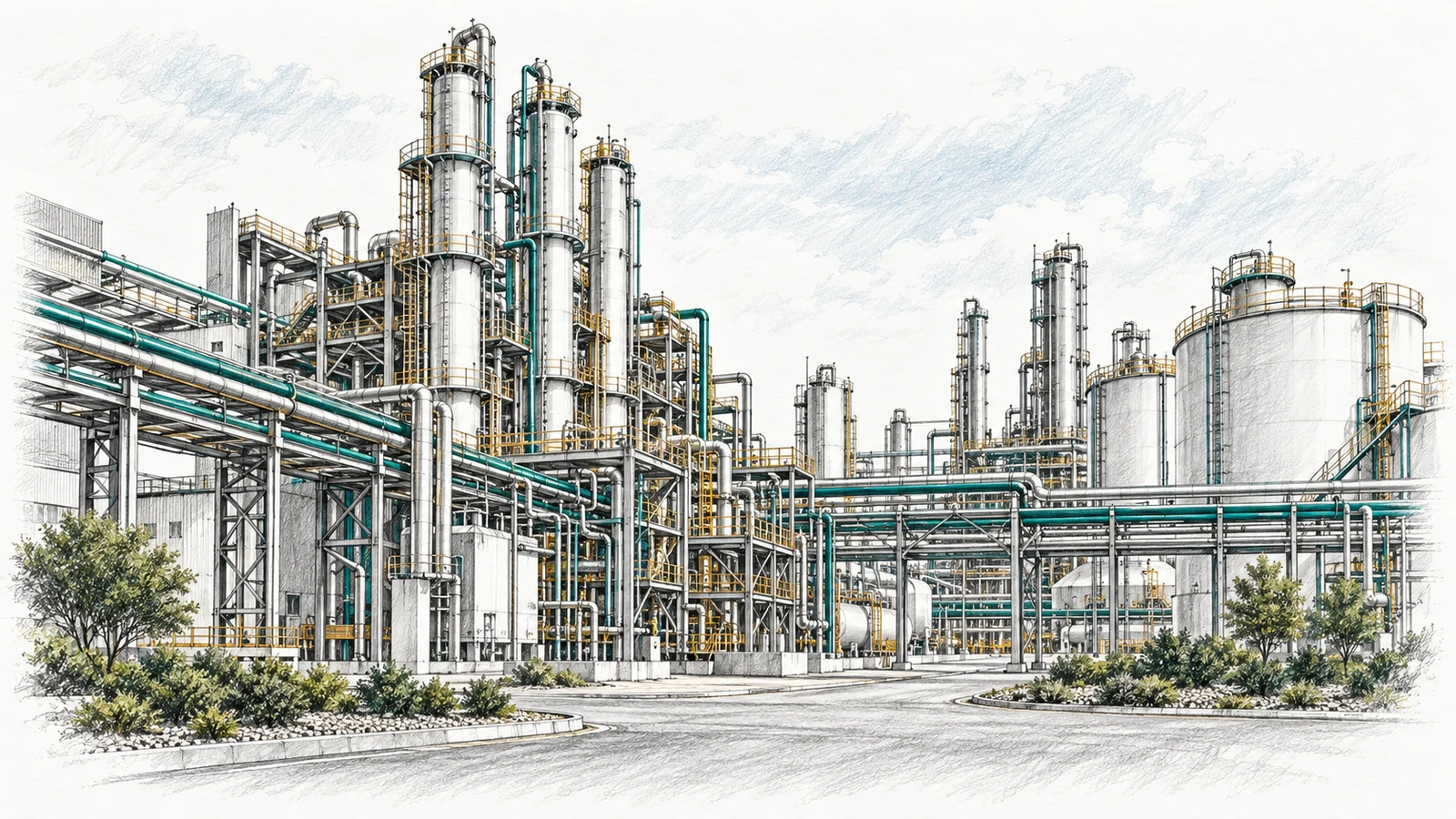
Zhongtai continued to report losses after the historical corrections, while operating cash flow remained positive. The two figures measure different aspects of the business.
The article examines what changed in cash generation and working capital, then places related-party finance and asset valuations alongside it. Positive cash flow alone does not establish a return to profitability.
China Fortune Land Development Co., Ltd.
Settlement gains and operating cash

Debt settlements improved reported results in some periods without restoring operating cash generation. The accounting gain and the cash produced by the business need separate explanations.
The article compares restructuring effects with operating cash flow and contract assets. Those balances help show why improved reported results do not settle the timing of recovery.